Property · August 2026
What Is Probate?
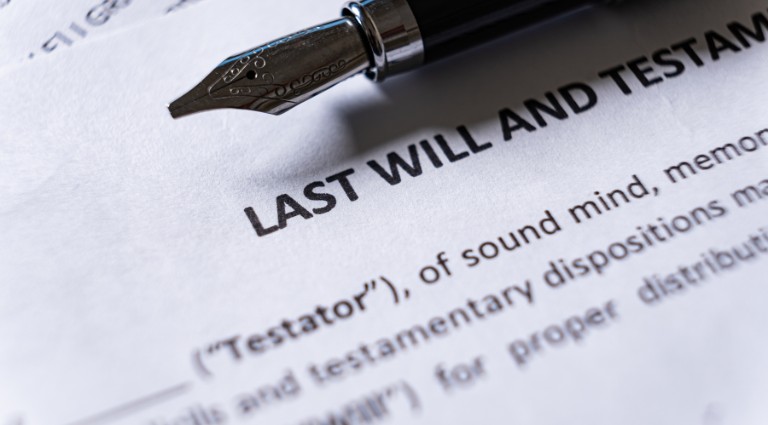
Probate is the legal process of dealing with the money, property and possessions of someone who has died. It can involve identifying assets, paying debts and taxes, obtaining the authority to manage the estate and distributing what remains to the beneficiaries.
For many families, the property is the largest and most complicated part of the estate. Questions often arise about who can sell it, how it should be valued and whether a buyer needs to wait for probate before the transaction can proceed.
This guide explains probate property in straightforward terms, including what executors, sellers and buyers need to consider.
The information below mainly relates to England and Wales. Scotland and Northern Ireland have different probate procedures and terminology.
What Is Probate?
The word “probate” is often used to describe the whole process of administering an estate. More specifically, a grant gives the personal representatives the legal authority they may need to deal with the assets of the person who has died.
The type of grant depends on whether there is a valid Will.
When There Is A Will
If the person left a valid Will, the executors named in it can usually apply for a Grant of Probate.
Once the grant has been issued, the executors can deal with assets covered by it. This may include closing accounts, paying liabilities, selling a property and distributing money to the beneficiaries.
When There Is No Will
When someone dies without a valid Will, they are said to have died “intestate”.
An eligible relative can apply for Letters of Administration. The person appointed is known as an administrator rather than an executor, but their role in managing the estate is broadly similar.
The estate must then be distributed according to the intestacy rules, rather than according to personal wishes that may have been expressed informally.
Is Probate Always Required?
Not every estate requires a grant.
Some banks and financial organisations may release smaller balances without one. Probate may also be unnecessary for certain jointly owned assets.
However, a grant will normally be needed when a property was owned solely by the person who died and it is to be sold or transferred.
A solicitor or probate practitioner can check whether a grant is required based on the assets involved and how they were owned.
What Happens To A Jointly Owned Property?
A common misconception is that every jointly owned property automatically passes entirely to the surviving owner. What happens depends partly on the form of beneficial ownership.
Joint Tenants
If the beneficial interest was held as joint tenants, it normally passes automatically to the surviving owner or owners.
It cannot be left to somebody else through the Will.
Tenants In Common
If the beneficial interest was held as tenants in common, the person who died owned a defined share of the property.
That share forms part of their estate and passes according to their Will or, where there is no valid Will, under the intestacy rules.
Ownership arrangements can become complicated, particularly when there are restrictions, trusts or several beneficiaries. Professional legal advice should be taken before making decisions about a jointly owned home.
What Is A Probate Property?
A probate property is a home or other building that forms part of the estate of someone who has died.
The personal representatives are responsible for protecting the property while the estate is being administered. Depending on the circumstances, this may include:
Informing the home insurer that the property is empty
Checking the terms of the insurance policy
Keeping the property secure
Maintaining necessary heating and ventilation
Redirecting post
Reading utility meters
Arranging basic garden maintenance
Checking the property regularly
Continuing mortgage or service charge payments from estate funds
An ordinary home insurance policy may impose additional conditions once a property has been unoccupied for a certain period. The insurer should therefore be contacted promptly.
What Should Executors Do First?
Dealing with a property immediately after a bereavement can feel overwhelming. It helps to work through the early tasks in a sensible order.
Executors or family members should usually begin by:
Locating the latest valid Will
Identifying the named executors
Registering the death
Securing the property
Contacting the insurer
Finding mortgage, lease and ownership documents
Identifying outstanding bills and debts
Checking whether anybody is living at the property
Obtaining an initial property valuation
Speaking to a solicitor where the estate is complicated
Avoid removing or giving away possessions until the Will has been checked. Particular belongings may have been left to named beneficiaries.
How Is A Probate Property Valued?
Before applying for probate, the personal representatives must estimate the value of the estate. This includes finding the open-market value of the property on the date the owner died.
The figure is used when reporting the estate’s value and establishing whether Inheritance Tax may be due. It is not necessarily the same as the asking price eventually used when the property goes onto the market.
A suitable valuation should take account of:
The property’s condition on the date of death
Comparable local sales
Its size, age and location
Any structural or maintenance issues
Lease length, where applicable
Restrictions or unusual title conditions
The market conditions at that time
HMRC requires assets to be valued as at the date of death. In some cases, a more formal valuation from a qualified surveyor may be advisable, particularly where the value is difficult to establish or the estate may have an Inheritance Tax liability.
Can A Property Be Marketed Before Probate Is Granted?
It may be possible to arrange valuations, prepare the home and begin marketing before the grant has been issued.
Doing so could save time, but the estate agent and prospective buyers must be told that the sale is subject to probate. The transaction cannot normally be completed until the appropriate grant gives the personal representatives authority to sell the property.
Marketing too early can create problems if:
The probate application has not yet been submitted
The identity of the correct personal representatives is unclear
There is a dispute about the Will
The estate valuation has not been agreed
Inheritance Tax matters remain unresolved
The property’s ownership is more complicated than expected
Beneficiaries disagree about whether the property should be sold
Before launching the property, the executors should speak to their solicitor and estate agent about the likely timeline.
How Do You Check Who Owns A Property?
HM Land Registry records the ownership of registered property and land in England and Wales.
Its online service can provide a property summary free of charge. A copy of the title register or title plan currently costs £7 to download.
The title register may show:
The registered legal owner
The property’s title number
Whether it is freehold or leasehold
Registered mortgages or legal charges
Restrictions affecting a sale or transfer
Certain rights or obligations attached to the title
The register does not necessarily reveal every beneficial ownership arrangement, so a conveyancer may also need to inspect trust deeds, transfer documents or other records.
Take care when searching online. Commercial websites sometimes charge considerably more for information that is available directly from HM Land Registry.
Selling A Probate Property
Selling a probate property is broadly similar to selling any other home, but the executors have legal duties to the estate and its beneficiaries.
They should aim to obtain a reasonable market price rather than accepting an unnecessarily low offer simply to complete the sale quickly.
Before marketing the home, consider:
Presentation
A clean, aired and reasonably tidy property will be easier for buyers to assess. It is not always necessary to carry out a full refurbishment, particularly if the home requires extensive updating.
Security And Insurance
Empty properties should be checked regularly and kept secure. The insurer may require water systems to be drained, heating to remain on at a minimum temperature or inspections to be recorded.
Paperwork
Gather guarantees, planning documents, building regulation certificates, lease information and evidence of previous work where available.
Executors may know very little about the property and may be unable to answer every question. Being open about this from the beginning can reduce misunderstandings later.
The Asking Price
The probate valuation and the current asking price may differ. Market conditions can change between the date of death and the date the property is listed.
We will explain the recommended asking price using current comparable evidence.
Tax
If the property increases in value between the date of death and its eventual sale, the estate may have a Capital Gains Tax liability. Executors should seek tax advice rather than assuming the probate valuation settles every future tax issue.
Buying A Probate Property
A probate property is not automatically a bargain. Some are competitively priced, while others are sold at full market value.
The property may also have been empty for some time or may not have been updated for many years. Buyers should assess it in exactly the same way as any other purchase.
Before committing to the sale:
Ask whether the grant has been issued
Find out when the probate application was submitted
Arrange an appropriate property survey
Check the condition of the heating, roof and services
Budget for repairs and modernisation
Ask whether the property has been unoccupied
Ensure full legal searches are completed
Avoid relying on assumptions about its condition
Keep your mortgage offer expiry date in mind
Executors often complete property information forms using only the information available to them. They may respond “not known” to questions that an owner-occupier could answer easily.
This makes an independent survey and thorough conveyancing work particularly important.
How Long Does A Probate Sale Take?
There is no single timescale.
GOV.UK states that a grant will usually be received within 12 weeks of submitting the application, although it can take longer if further information is required. That period begins after the application is made and does not include the earlier work of locating the Will, valuing the estate or dealing with Inheritance Tax.
A property sale can then be affected by the usual factors, including:
The length of the chain
Mortgage applications
Surveys
Searches
Leasehold enquiries
Beneficiary decisions
Missing paperwork
Repairs or clearance work
Good communication between the executors, solicitor, estate agent and buyer can prevent avoidable delays.
Speak To Shinerocks Before Making Decisions
Probate property sales can involve legal, financial and emotional considerations at the same time. Families may feel under pressure to clear the property or accept an offer quickly, but it is worth understanding the home’s condition, likely value and saleability before making a decision.
The team at Shinerocks can provide a current market appraisal, explain how similar homes are selling in Purley, Croydon & Greater London and discuss a suitable marketing plan for the property.
To arrange a conversation email enquiries@shinerocks.co.uk or call 020 8660 2010. We will guide you through the property side of the process clearly and sensitively.
In the meantime we've answered some of your common questions about probate property.
Frequently Asked Questions
Can You Sell A House Before Probate Is Granted?
The property may sometimes be valued and marketed before the grant is issued. However, a sale of a solely owned property cannot normally be completed until the executors or administrators have received the appropriate grant.
Can Beneficiaries Stop An Executor Selling A Property?
Executors are responsible for administering the estate according to the Will and their legal duties. A beneficiary cannot usually dictate every decision, but disputes can arise if they believe an executor is acting improperly or selling for an unreasonable price. Legal advice should be obtained promptly where there is disagreement.
Does A Probate Property Have To Be Sold?
Not always. The property may be transferred to a beneficiary if the Will, ownership arrangements and estate finances allow it. A sale may still be necessary where money is needed to pay debts, tax, expenses or other beneficiaries.
Who Pays The Bills While A Property Is In Probate?
Necessary bills are normally paid from the estate. These may include insurance, mortgage payments, service charges, utilities, maintenance and council tax where applicable. Executors should keep clear records and retain invoices and receipts.
Have any questions?
Use the form to send us your questions and we'll respond as quickly as possible.
You can also call us on 020 8660 2010, or email enquiries@shinerocks.co.uk.